How we help
Gentle support, shaped around each child
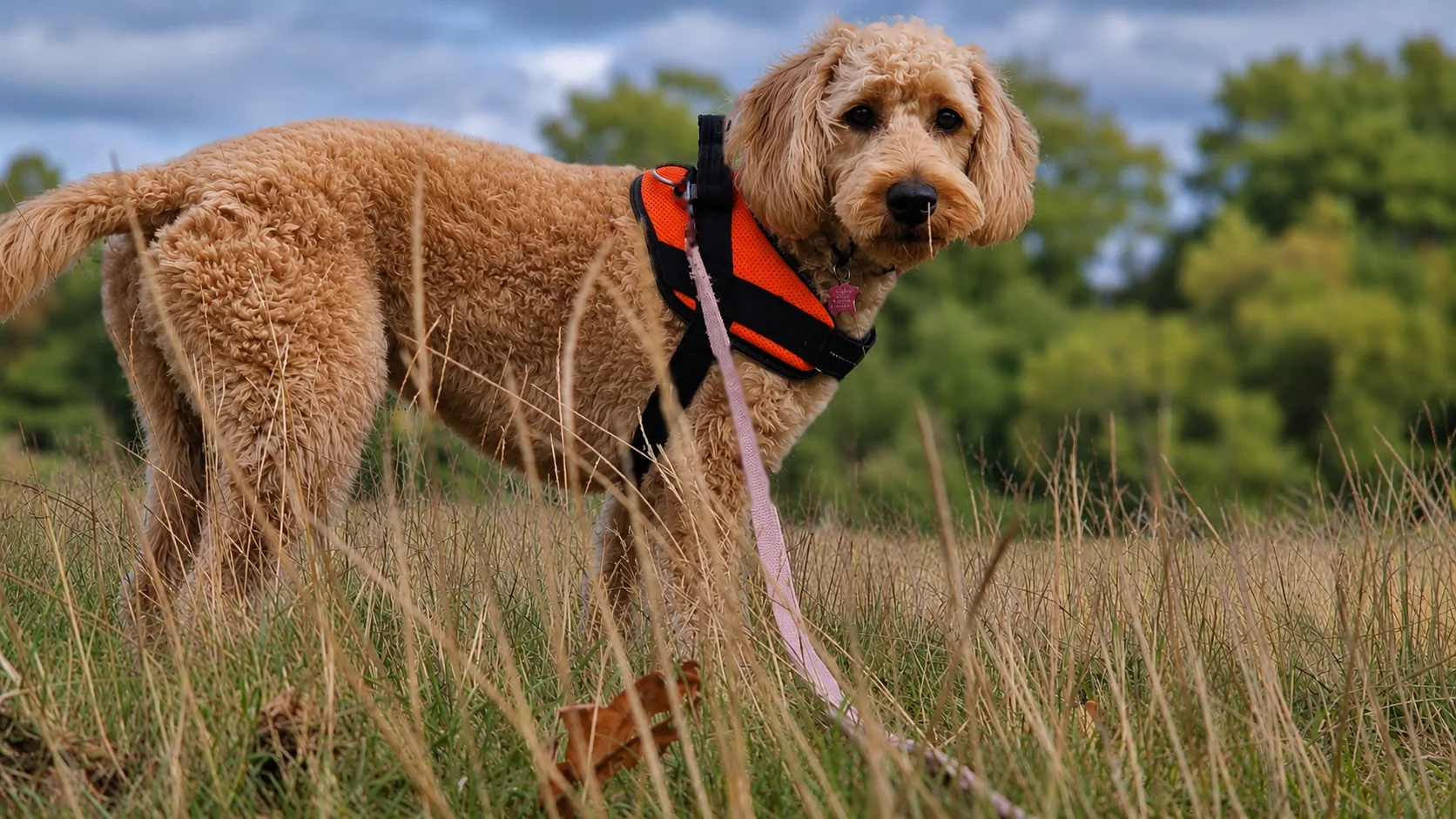
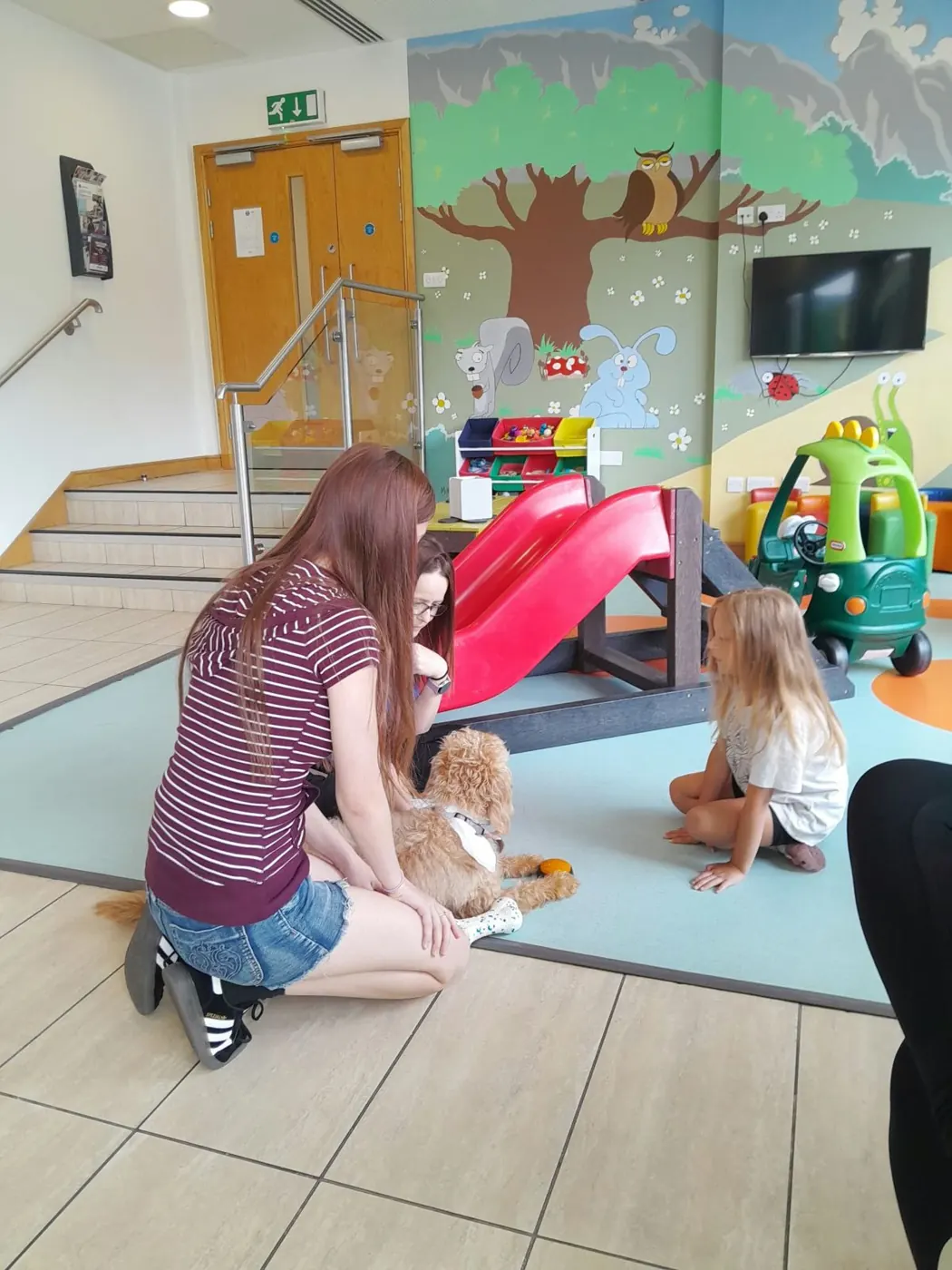
I bring seven years of experience working with children with special educational needs. With Luna by my side, I offer structured, dog-assisted activities that respond to individual needs.
Who it can help
Children who are finding things hard
Every child is different. Luna and I may be able to help children who are struggling with:
- Confidence
- Anxiety
- Self-esteem
- Bereavement
- Feeling overwhelmed in the classroom
For schools and SENCOs
More than a visit
I absolutely believe in the value of a friendly therapy-dog visit. My work with Luna is something different: planned support, agreed with you, around the needs of one child.
A therapy-dog visit
- A friendly drop-in for a group, ward or class
- A lovely moment of calm and comfort
- The same for everyone who meets the dog
Dog-assisted support with Luna and me
- Planned with the school or family around one child’s agreed needs
- Calm, structured activities over a series of sessions
- Reviewed together, so you can see what is and isn’t helping
Our approach
Not by promising to fix everything
Instead, by creating positive experiences, building trust and celebrating those little steps forward. Every piece of work follows the same five stages.
Understand
I start by talking with school staff or parents about the child: what they are finding hard, what they enjoy, and how they feel about dogs.
Agree
Together we agree what the sessions are for, where and how often they happen, who will be there, and what a small step forward would look like.
Connect
The child gets to know Luna at their own pace, through calm, structured activities chosen with them in mind.
Encourage
Each session gives the child small, achievable things to try alongside Luna, and I notice and celebrate every step.
Reflect
I share what I’ve noticed and review progress with you, then adjust the sessions or agree when they have done their job.
Working safely
Safe, supervised and planned
Bringing a dog into a school or a family’s life is a responsibility I take seriously, for the child and for Luna.
Experience with children
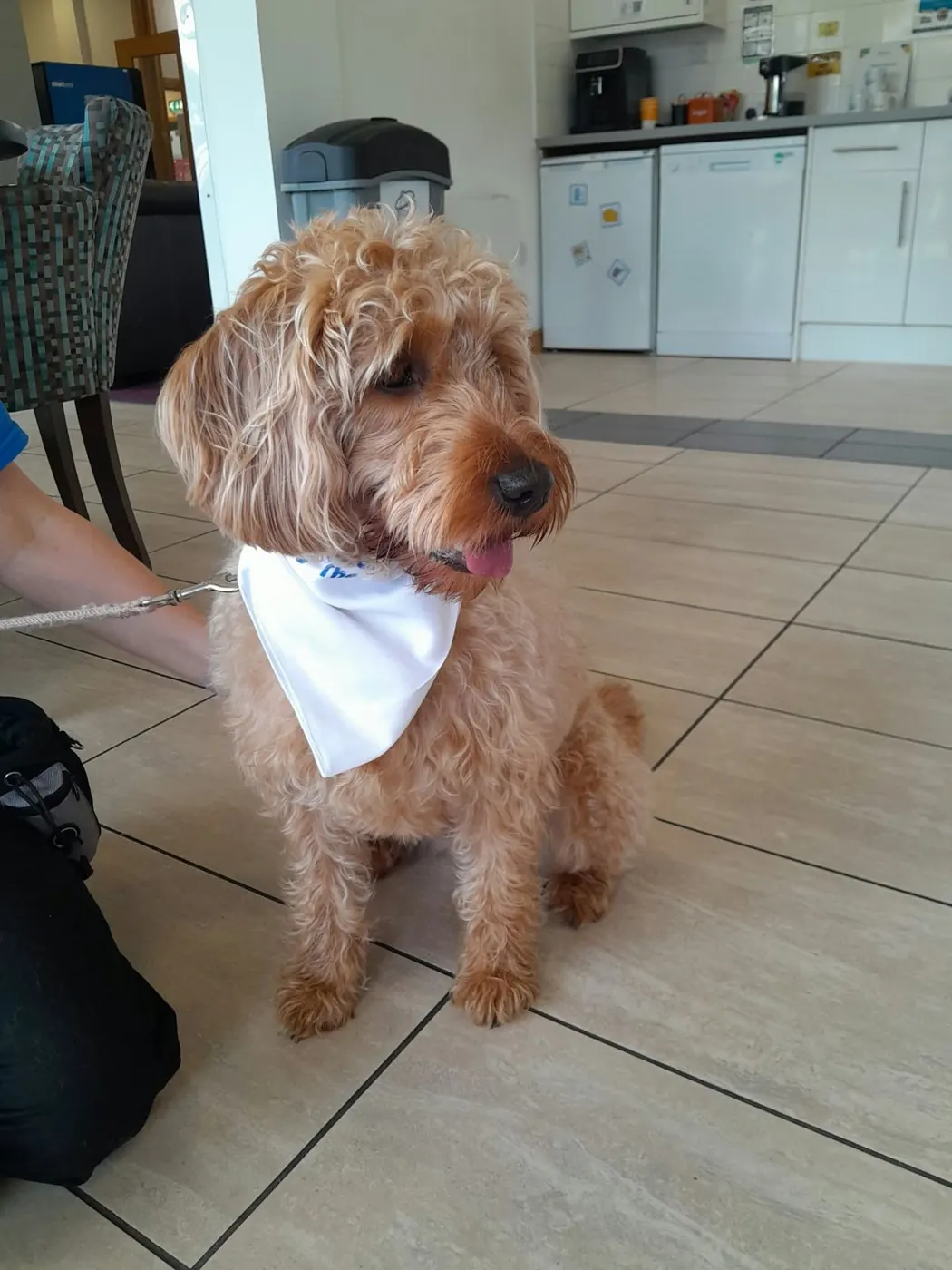
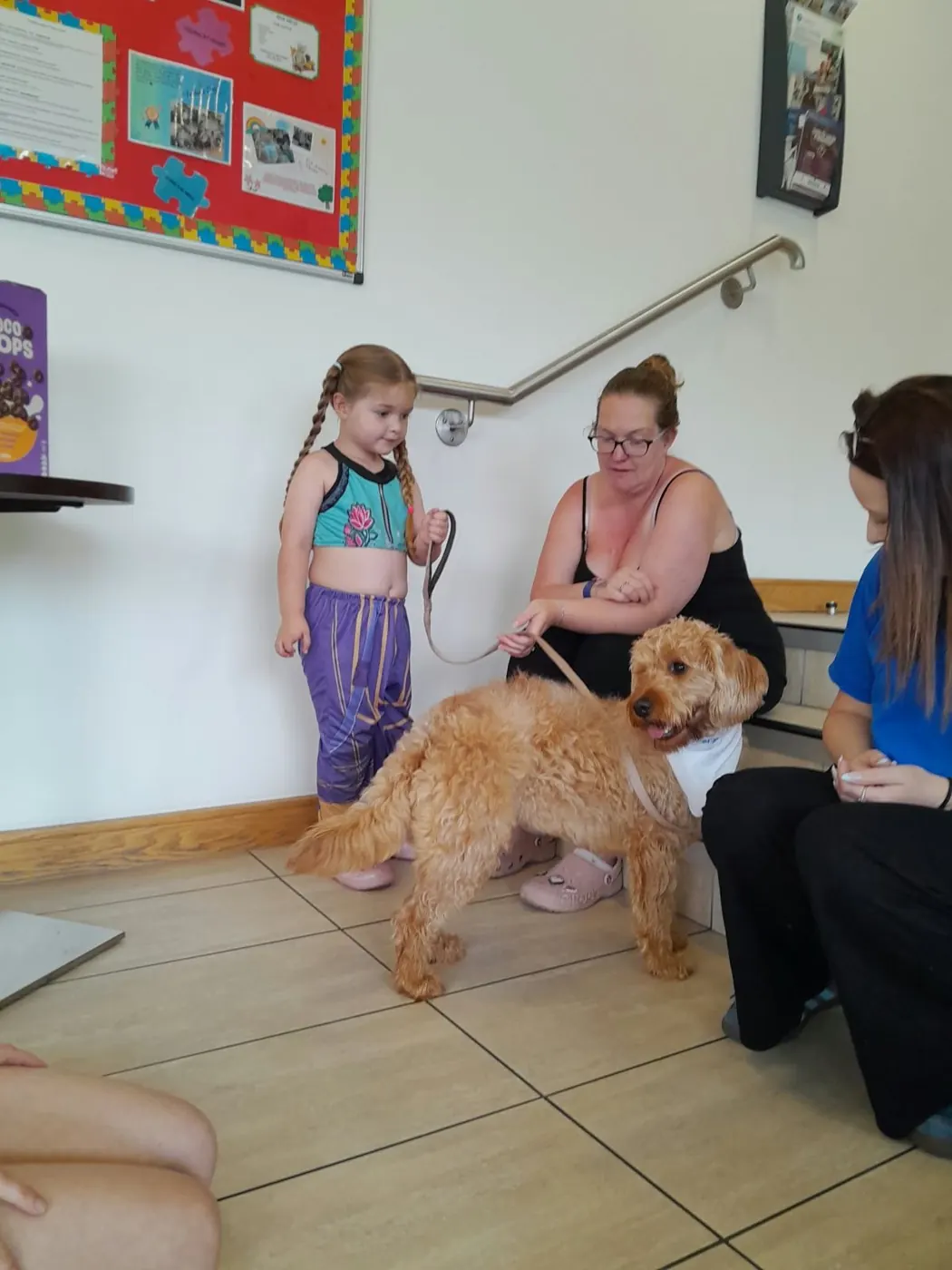
Seven years supporting children with special educational needs, and volunteer therapy-dog visits in a children’s hospital, a school and a nursing home.
Checks and cover
I hold an enhanced DBS check from my work in schools. I’m insured for my dog-assisted work.
Always supervised
I always handle Luna myself, and she is never left alone with a child. A member of staff or a parent stays with the child during sessions, and I follow each setting’s safeguarding policy.
Risk assessed first
Before sessions begin, I agree a risk assessment with the school or family, covering the space, hygiene, allergies and any fear of dogs.
Right for the child
Not every child or setting suits a dog. I agree each child’s needs and suitability with you first, and sessions only go ahead when everyone is comfortable.
Luna’s welfare
Luna is still in training and her wellbeing always comes first: short sessions, rest breaks, water, and stopping early if she seems tired or unsettled.
Working with schools
Ways to work together
Most schools start by meeting Luna and me, then choose the kind of support that suits their pupils.
Meet the staff
A session for your team to meet Luna and me, hear how dog-assisted support works and talk through where it might help your pupils.
Block bookings
Regular sessions booked in blocks to fit your school terms, or for a set number of weeks, so a child has time to build trust with Luna.
Bespoke package
Something shaped around your setting, if your pupils’ needs don’t fit a standard block.
Pricing. Every setting is different, so I don’t publish a price list. Once we’ve talked and I understand what you need, I’ll share the pricing options and talk them through with you.
Arrange a conversationWhat the research says
Why dogs?
Therapy dogs are already part of everyday life in NHS hospitals, NHS mental health teams and UK schools, and a growing body of research looks at how time with a calm dog can help children feel less anxious.
Who we work with
Schools, families and beyond
Luna’s Helping Paws offers dog-assisted activities and companionship. It is not a replacement for medical, psychological or therapeutic care. If you are worried about a child’s health, please speak to their GP or care team.